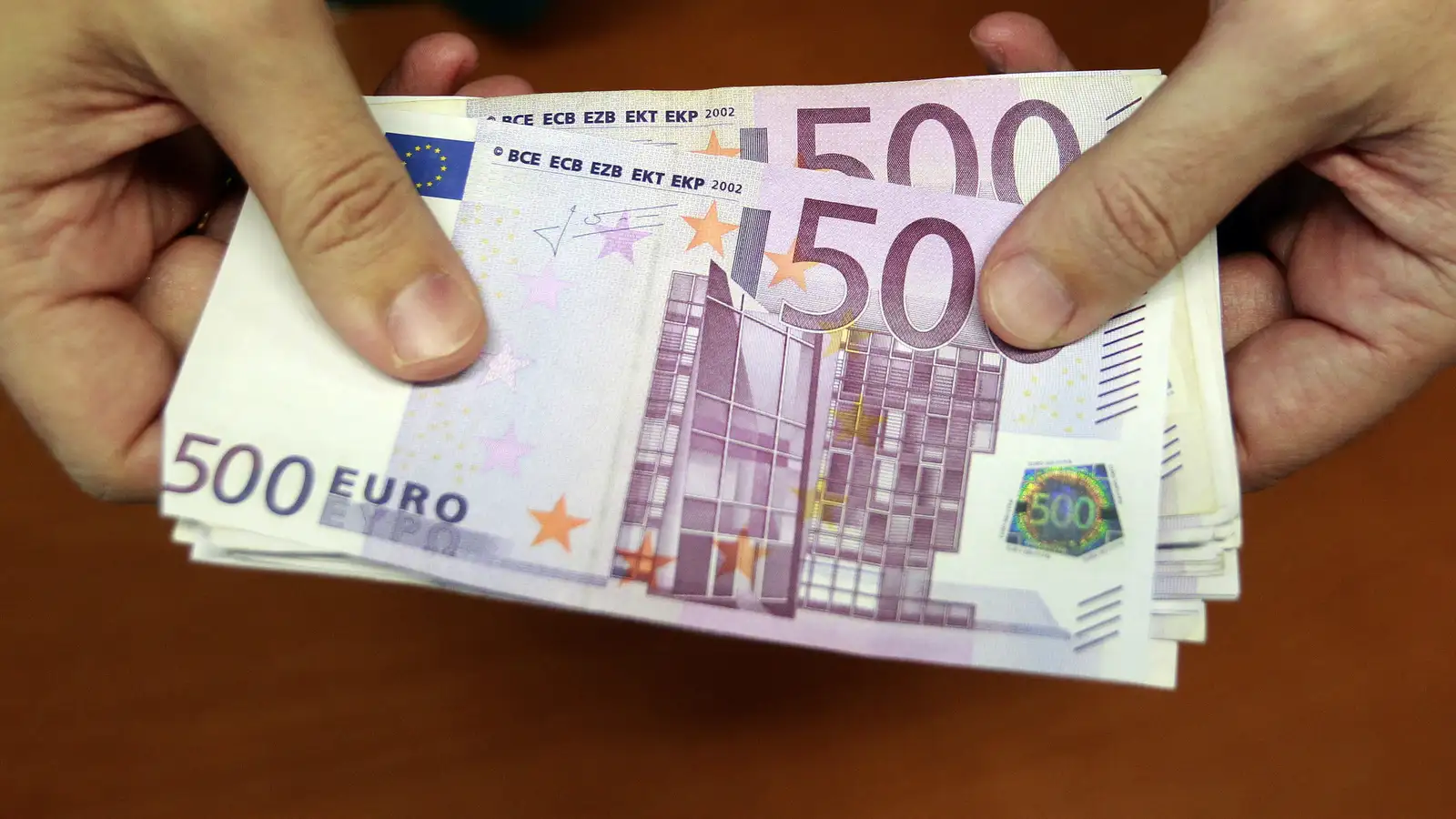
Understanding the World of Counterfeit Money: The Rise of Online Shops
In recent years, an unpleasant phenomenon has emerged with the growth of online shopping: the sale of counterfeit money. This illegal market has actually gotten traction along with the genuine e-commerce market, raising concerns about legality, safety, and ethical factors to consider. This short article explores the world of counterfeit money, exploring its ramifications, the reasons behind its development as an online commodity, the dangers included for buyers and sellers, and the steps being required to combat this concern.
The Nature of Counterfeit Money
Counterfeit money describes currency that has been produced without legal sanction, with the intent to deceive. It typically mimics authentic currency in appearance, texture, and, in some innovative cases, even its holographic functions. Counterfeiting is a crime in most jurisdictions around the world and can carry serious penalties ranging from fines to imprisonment.
Why Counterfeit Money?
- Profit Motive: Counterfeiters aim to manufacture money that can be passed off as real currency for items and services.
- Availability: The schedule of printing technology and products has made it much easier for individuals to develop counterfeit money.
- Online Marketplaces: The anonymity of the internet has fueled the development of marketplaces where counterfeit money can be purchased and sold with increased secrecy.
The Online Market for Counterfeit Money
As technology advances and more people turn to online shopping, the counterfeiting market has adapted. Several online platforms provide counterfeit currency, exploiting cryptocurrencies and encrypted transactions to secure anonymity and avert law enforcement.
Popular Platforms for Counterfeit Money
- Dark Web Marketplaces: Platforms like Silk Road and AlphaBay have become infamous for the trading of counterfeit products, including money.
- Social Network and Forums: Some people take to social media platforms and niche online forums to get in touch with buyers and sellers, often employing coded language to prevent detection.
- Peer-to-Peer Networks: Certain chat applications permit users to exchange goods and info while preserving privacy.
Threats Involved in Buying Counterfeit Money
For Buyers
- Legal Consequences: Purchasing counterfeit money is prohibited and can lead to criminal charges, including fines and imprisonment.
- Financial Loss: Buyers may spend significant amounts on counterfeit currency that can not be exchanged genuine value.
- Scams: The anonymity of online marketplaces can expose purchasers to rip-offs, where they might pay for counterfeit currency that is never ever delivered.
For Sellers
- Legal Repercussions: Just like purchasers, sellers face major legal consequences, consisting of substantial fines and possible jail time.
- Security Risks: Engaging in the sale of counterfeit money may lead to conflicts with police or rival counterfeiters, posturing individual security threats.
- Reputation Damage: Being caught offering counterfeit money can mess up a person's track record and future employment prospects.
The Role of Law Enforcement
Government authorities are aware of the escalating problem of counterfeit money in online marketplaces. Numerous methods have been used to combat this problem:
- Increased Surveillance: Law enforcement agencies are using sophisticated tools to keep track of suspicious online activities.
- Cooperation with Tech Companies: Authorities collaborate with significant tech and social networks companies to identify and remove counterfeit networks.
- Public Awareness Campaigns: Educating the public about the dangers and legal risks associated with counterfeit money intends to deter potential buyers.
Regularly Asked Questions (FAQs)
1. Is it legal to have counterfeit money?No, possessing counterfeit money is prohibited in most jurisdictions and can lead to substantial legal consequences. 2. How can I determine counterfeit
money?To recognize counterfeit money,
examine for distinct functions such as watermarks, security threads, and holograms. Unique UV lights and amplifying glasses can help in detection. 3. What should I do if I receive counterfeit money?If you get counterfeit money, do not try to utilize it. Report it immediately to your local police. 4. Why do individuals buy counterfeit money?Some individuals may acquire counterfeit money out of desperation
, lack of knowledge of the law, or in an attempt to control genuine economic systems for personal gain. 5. Exist charges for offering counterfeit money?Yes, people captured selling counterfeit money can deal with severe charges, including fines and
imprisonment, along with a criminal record. The emergence of
online look for counterfeit money underscores a complicated interaction of technology, economics, and legality. While some might see it as an easy method to make money or prevent standard banking systems, the dangers are extensive and significant. Click That Link continues to adjust to fight this growing trend, stressing the significance of public awareness and education. As society navigates the developing landscape of online commerce, understanding the dangers of counterfeit money remains vital. Individuals are advised that while the attraction of easy earnings might be tempting, the legal consequences are much more substantial, creating enduring damage that goes beyond immediate monetary gain. It is necessary to remain vigilant and notified in a world where digital transactions continue to thrive.